No products in the cart.
What Should You Choose: Twisty’s Popping Boba vs Twisty’s Tapioca Pearls
Popping Boba vs Tapioca Pearls: Which Should You Choose?
Popping boba vs tapioca pearls is one of the most common comparisons made by bubble tea customers, café owners, QSR brands and beverage businesses. Both are popular bubble tea toppings, but they provide completely different textures, flavours, preparation requirements and drinking experiences.
https://twistyglobal.com/product-category/popping-boba-bubbletea/
Twisty’s Popping Boba is fruity, colourful and ready to serve. Each bubble has a thin outer layer with flavourful liquid inside that bursts when bitten. It is especially suitable for fruit teas, lemonades, mocktails, coolers, sodas, ice cream and desserts.
Twisty’s Tapioca Pearls provide the classic soft and chewy texture associated with traditional bubble tea. They are particularly suitable for milk teas, brown sugar drinks, creamy beverages, frappes, milkshakes and café-style bubble tea.
https://twistyglobal.com/product-category/popping-boba-bubbletea/
This guide explains the differences between Twisty’s Popping Boba and Twisty’s Tapioca Pearls so that home users, cafés, restaurants and beverage businesses can choose the most suitable topping for their drinks.
Quick Answer
Choose Twisty’s Popping Boba when you want a fruity, juicy and ready-to-serve topping for fruit teas, lemonades, mocktails, coolers, sodas and desserts.
Choose Twisty’s Tapioca Pearls when you want the traditional chewy texture associated with classic bubble tea, brown sugar drinks and creamy milk tea.
For many cafés and QSR brands, the best solution is to stock both. Twisty’s Popping Boba can support a modern fruit-based menu, while Twisty’s Tapioca Pearls can support a traditional milk tea menu.
Popping Boba vs Tapioca Pearls in One Line
Twisty’s Popping Boba is best for fruity flavour, convenience and colourful drinks, while Twisty’s Tapioca Pearls is best for traditional bubble tea texture, milk tea and brown sugar beverages.
Who Should Read This Guide?
This comparison is useful for:
- Café owners adding bubble tea to their menus
- QSR brands developing premium beverages
- Restaurants introducing fruit tea or milk tea
- Cloud kitchens building a beverage category
- Bubble tea start-ups
- Juice, shake and mocktail outlets
- Ice cream and dessert businesses
- Beverage distributors
- Home users making bubble tea
- Businesses sourcing boba ingredients in bulk
- Buyers comparing Twisty’s Popping Boba and Tapioca Pearls
Whether you are preparing one drink at home or developing a multi-outlet beverage menu, understanding the difference can help you choose the right topping.
Popping Boba vs Tapioca Pearls: Quick Comparison
| Feature | Twisty’s Popping Boba | Twisty’s Tapioca Pearls |
|---|---|---|
| Texture | Juicy and bursts when bitten | Soft and chewy |
| Flavour | Usually fruit-flavoured | Mild and suitable for absorbing surrounding flavours |
| Preparation | Ready to serve | Requires cooking and preparation |
| Best drinks | Fruit tea, lemonade, mocktails and coolers | Milk tea, brown sugar drinks and creamy beverages |
| Service speed | Faster and simpler | Requires advance preparation |
| Appearance | Bright, colourful and modern | Classic and traditional |
| Best menu style | Fruit-forward and refreshing | Authentic bubble tea and café-style |
| Beginner friendliness | Easier for beginners | Requires greater process control |
| Dessert use | Ice cream, yogurt and dessert cups | Milkshakes, frappes and dessert bowls |
| Main advantage | Convenience and flavour variety | Traditional chewiness and authenticity |
What Is Twisty’s Popping Boba?
Twisty’s Popping Boba is a juice-filled beverage topping with a thin outer layer that bursts in the mouth when bitten.
Unlike chewy tapioca pearls, popping boba releases a fruity liquid. This creates a refreshing and playful texture that works particularly well in cold, fruit-based drinks.
Twisty’s Popping Boba can be added to:
- Fruit teas
- Iced teas
- Lemonades
- Mocktails
- Soda-based drinks
- Fruit coolers
- Milkshakes
- Smoothies
- Ice cream
- Frozen desserts
- Yogurt bowls
- Dessert cups
Twisty’s Popping Boba is available in fruit-led varieties that may include flavours such as mango, strawberry, blueberry, lychee, passion fruit, orange, pineapple, peach and green apple, depending on current product availability.
Why Businesses Choose Twisty’s Popping Boba
Twisty’s Popping Boba is often selected by cafés and QSR brands because it offers:
- Ready-to-serve convenience
- No boiling requirement
- Faster beverage assembly
- Easier portion control
- Simple staff handling
- Attractive colours
- Multiple flavour choices
- Compatibility with drinks and desserts
- Faster service during busy periods
A café can open the container, measure the required portion and add Twisty’s Popping Boba directly to the prepared beverage.
This makes it suitable for outlets that want to introduce bubble tea without creating a complicated cooking and holding process.
What Are Twisty’s Tapioca Pearls?
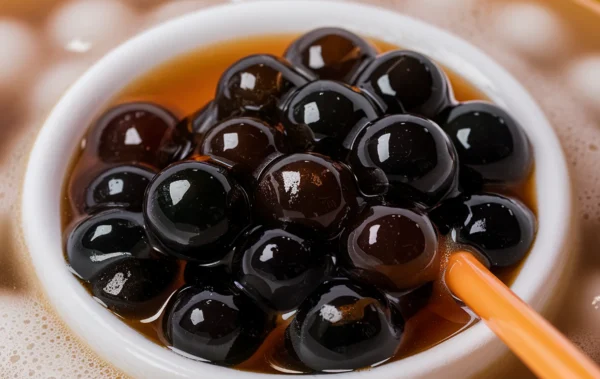
Twisty’s Tapioca Pearls are classic chewy boba pearls used in traditional bubble tea.
Tapioca pearls are mainly made using tapioca starch and are prepared by cooking them until they develop the required soft and chewy texture.
Unlike popping boba, tapioca pearls are not normally chosen for a strong fruit flavour. Their main purpose is to add chewiness, texture and a more filling experience to a beverage.
Twisty’s Tapioca Pearls can be used in:
- Classic bubble milk tea
- Brown sugar bubble tea
- Taro milk tea
- Matcha milk tea
- Thai milk tea
- Chocolate bubble tea
- Coffee-based boba drinks
- Milkshakes
- Frappes
- Creamy beverages
- Ice cream
- Dessert bowls
Why Businesses Choose Twisty’s Tapioca Pearls
Twisty’s Tapioca Pearls are often chosen when a business wants:
- An authentic bubble tea experience
- A traditional chewy texture
- Better compatibility with milk tea
- A classic café-style menu
- Brown sugar beverage options
- A more substantial drink
- A recognisable bubble tea topping
Twisty’s Tapioca Pearls should be prepared according to the cooking, sweetening and serving instructions supplied with the product.
Correct timing is important because undercooked pearls may remain too firm, while pearls held for too long may lose their ideal texture.
7 Important Differences Between Popping Boba and Tapioca Pearls
1. Texture
Texture is the most noticeable difference in the popping boba vs tapioca pearls comparison.
Twisty’s Popping Boba has a thin outer layer that breaks when bitten. The liquid inside creates an immediate juicy burst.
Twisty’s Tapioca Pearls are soft and chewy. They are meant to be chewed while drinking and create the traditional mouthfeel associated with bubble tea.
Choose Twisty’s Popping Boba when customers want a light, juicy and playful topping.
Choose Twisty’s Tapioca Pearls when customers want a chewy, satisfying and traditional topping.
2. Flavour
Twisty’s Popping Boba usually has a clearly identifiable fruit flavour. The topping can therefore contribute directly to the taste of the beverage.
For example, mango popping boba can add an additional mango flavour to mango fruit tea, mango lemonade or a mango cooler.
Twisty’s Tapioca Pearls have a milder flavour. Their value comes mainly from their texture and their ability to pair with ingredients such as brown sugar syrup, milk tea, coffee and creamy beverage bases.
Choose Twisty’s Popping Boba when you want the topping to add flavour.
Choose Twisty’s Tapioca Pearls when you want the topping to add texture without overpowering the beverage.
3. Preparation
Twisty’s Popping Boba is ready to serve and does not require cooking. It can be measured and added directly to a drink or dessert.
Twisty’s Tapioca Pearls require cooking and proper preparation before service. The pearls must be managed carefully to achieve and maintain the intended chewy texture.
This difference is important for busy cafés and QSR operations.
Twisty’s Popping Boba can help reduce preparation work, while Twisty’s Tapioca Pearls require a more structured kitchen process.
4. Best Beverage Pairings
Twisty’s Popping Boba works especially well with:
- Fruit tea
- Iced tea
- Lemonade
- Soda
- Mocktails
- Coolers
- Smoothies
- Refreshing summer beverages
Twisty’s Tapioca Pearls work especially well with:
- Milk tea
- Brown sugar bubble tea
- Taro milk tea
- Matcha drinks
- Coffee beverages
- Chocolate drinks
- Frappes
- Milkshakes
The drink base should be one of the main factors considered when choosing between the two toppings.
5. Speed of Service
Twisty’s Popping Boba generally supports faster service because it can be portioned directly into the cup.
This can be valuable for:
- Busy QSR counters
- Food courts
- Kiosks
- Cloud kitchens
- Delivery-focused outlets
- Events and catering
- High-volume café operations
Twisty’s Tapioca Pearls require advance cooking and texture management. They can still be used efficiently, but the outlet needs a clear preparation schedule and proper staff training.
6. Visual Appearance
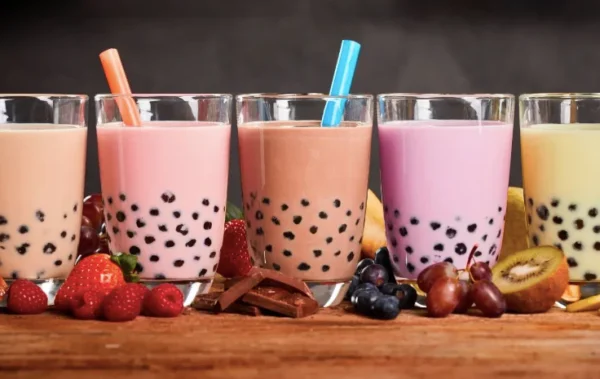
Twisty’s Popping Boba offers bright colours and visible fruit-inspired flavours. It can make fruit teas, lemonades and mocktails look more colourful and attractive.
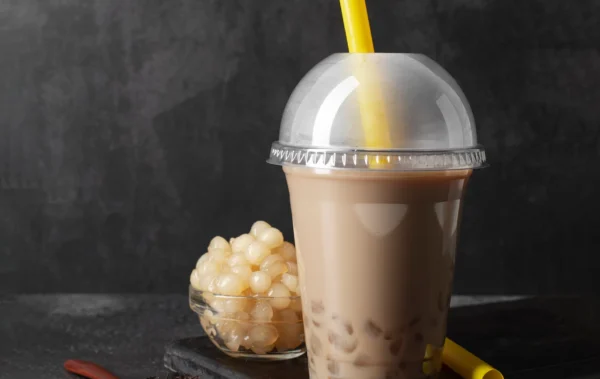
Twisty’s Tapioca Pearls provide the recognisable appearance of classic bubble tea. Dark pearls at the bottom of a creamy milk tea or brown sugar drink immediately communicate a traditional boba experience.
Choose Twisty’s Popping Boba for a colourful, refreshing and modern presentation.
Choose Twisty’s Tapioca Pearls for a classic, authentic and café-style presentation.
7. Menu Positioning
Twisty’s Popping Boba is suitable for menus centred around:
- Fruit beverages
- Refreshing drinks
- Mocktails
- Lemonades
- Colourful beverages
- Desserts
- Experimental flavour combinations
Twisty’s Tapioca Pearls are suitable for menus centred around:
- Traditional bubble tea
- Milk tea
- Brown sugar drinks
- Creamy beverages
- Coffee and frappes
- Authentic café experiences
A business can stock both products to serve customers who enjoy modern fruit drinks as well as customers who prefer traditional milk tea.
Which Is Better for Fruit Tea?
Twisty’s Popping Boba is usually the better choice for fruit tea.
Its juicy texture and fruit flavour complement tea, fruit syrups and refreshing beverage bases. The bright colours can also improve the visual presentation of the drink.
Twisty’s Popping Boba can be paired with:
- Mango fruit tea
- Strawberry iced tea
- Passion fruit green tea
- Lychee iced tea
- Peach tea
- Blueberry fruit tea
- Green apple cooler
- Orange lemonade
Matching the popping boba flavour with the drink flavour creates a strong and familiar combination.
Businesses can also use contrasting flavours. For example, strawberry popping boba can be added to mango fruit tea to create a mixed-fruit beverage.
Which Is Better for Milk Tea?
Twisty’s Tapioca Pearls are usually the better choice for milk tea.
The chewy texture pairs well with creamy tea bases, milk powders, creamers, brown sugar syrups and milk tea premixes.
Twisty’s Tapioca Pearls can be used in:
- Classic milk tea
- Brown sugar milk tea
- Taro milk tea
- Matcha milk tea
- Thai milk tea
- Chocolate milk tea
- Coffee milk tea
Popping boba can still be used in selected creamy beverages, but tapioca pearls provide the more traditional bubble tea experience.
Which Is Easier for Cafés and QSR Brands?
Twisty’s Popping Boba is generally easier for a new or high-speed beverage operation because it is ready to serve.
It can help cafés and QSR brands achieve:
- Faster preparation
- Easier staff training
- Better portion control
- Fewer cooking steps
- Simpler service during peak hours
- Easy expansion into fruit beverages and desserts
Twisty’s Tapioca Pearls require:
- Cooking
- Timing
- Sweetening
- Holding management
- Regular texture checks
- Staff training
This does not make tapioca pearls a weaker product. It means the outlet must follow a more controlled process.
For a traditional bubble tea café, that additional process is often worthwhile because customers expect chewy tapioca pearls in classic milk tea.
Which Is Better for Home Users?
Home users who want the simplest preparation may prefer Twisty’s Popping Boba because it can be added directly to a prepared beverage.
It can be used in homemade:
- Lemonade
- Iced tea
- Soda
- Milkshakes
- Mocktails
- Ice cream
- Desserts
Home users who want the complete traditional bubble tea experience may prefer Twisty’s Tapioca Pearls.
Preparing tapioca pearls requires more effort, but it allows users to make classic milk tea and brown sugar bubble tea at home.
Which Should a New Bubble Tea Business Start With?
A new bubble tea business should choose according to its main beverage category.
Start with Twisty’s Popping Boba when your menu focuses on:
- Fruit tea
- Lemonade
- Mocktails
- Coolers
- Soda-based beverages
- Desserts
- Fast assembly
Start with Twisty’s Tapioca Pearls when your menu focuses on:
- Milk tea
- Brown sugar drinks
- Traditional bubble tea
- Taro and matcha beverages
- Creamy drinks
- Authentic café positioning
A balanced beginner menu can include:
- Three fruit drinks with Twisty’s Popping Boba
- Two milk teas with Twisty’s Tapioca Pearls
- One brown sugar signature drink
- One seasonal beverage
- Optional extra toppings
This allows the business to test customer preferences without beginning with an excessively large inventory.
Can You Use Popping Boba and Tapioca Pearls Together?
Yes, Twisty’s Popping Boba and Twisty’s Tapioca Pearls can be used in the same beverage when the flavours and textures work together.
A drink containing both toppings provides:
- A chewy texture from the tapioca pearls
- A juicy burst from the popping boba
- Greater visual interest
- A premium topping experience
- An opportunity for an additional topping charge
However, using both toppings may make the drink feel heavier. Portion sizes should therefore be controlled carefully.
The drink should also use a wide straw that allows both types of boba to pass through comfortably.
Menu Ideas Using Twisty’s Popping Boba
Cafés and QSR brands can use Twisty’s Popping Boba to create:
Mango Popping Boba Fruit Tea
Combine chilled tea, mango syrup, ice and Twisty’s Mango Popping Boba.
Strawberry Boba Lemonade
Combine lemonade, strawberry syrup, ice and Twisty’s Strawberry Popping Boba.
Passion Fruit Boba Cooler
Combine passion fruit syrup, chilled water or soda, ice and Twisty’s Passion Fruit Popping Boba.
Lychee Popping Boba Mocktail
Combine lychee syrup, lemon, soda, ice and Twisty’s Lychee Popping Boba.
Blueberry Boba Ice Cream
Add Twisty’s Blueberry Popping Boba to vanilla ice cream or a dessert cup.
Menu Ideas Using Twisty’s Tapioca Pearls
Twisty’s Tapioca Pearls can be used to create:
Classic Bubble Milk Tea
Combine brewed black tea, milk or creamer, sweetener, ice and prepared Twisty’s Tapioca Pearls.
Brown Sugar Tapioca Milk
Coat the cup with brown sugar syrup and add prepared Twisty’s Tapioca Pearls, milk and ice.
Taro Bubble Tea
Combine a taro beverage base, milk, ice and Twisty’s Tapioca Pearls.
Coffee Boba Frappe
Blend coffee, milk, ice and frappe base, then serve with Twisty’s Tapioca Pearls.
Chocolate Boba Milkshake
Combine chocolate, milk and ice, then add prepared Twisty’s Tapioca Pearls.
Popping Boba vs Tapioca Pearls for Commercial Businesses
Commercial buyers should evaluate more than taste alone.
Important considerations include:
- Target customer
- Beverage category
- Preparation space
- Staff skill level
- Expected daily order volume
- Required service speed
- Available equipment
- Menu pricing
- Storage and handling procedures
- Delivery suitability
Twisty’s Popping Boba is particularly useful when a business needs quick preparation and multiple fruit flavours.
Twisty’s Tapioca Pearls are particularly useful when a business wants to establish an authentic bubble tea and milk tea identity.
For food businesses operating in India, product handling, hygiene, licensing and labelling practices should follow applicable requirements from the Food Safety and Standards Authority of India.
Why Stock Both Twisty’s Popping Boba and Tapioca Pearls?
Stocking both gives a café access to two different customer groups.
Twisty’s Popping Boba appeals to customers who prefer:
- Fruity drinks
- Bright colours
- Refreshing beverages
- Juicy textures
- Mocktail-style drinks
- Quick and playful toppings
Twisty’s Tapioca Pearls appeal to customers who prefer:
- Traditional bubble tea
- Chewy textures
- Milk tea
- Brown sugar drinks
- Creamy beverages
- A more filling drinking experience
Offering both also allows a business to build fruit tea, milk tea, frappe, mocktail and dessert categories using a relatively compact topping range.
Why Choose Twisty Boba Ingredients?
Twisty Boba Ingredients manufactures and supplies bubble tea ingredients for cafés, restaurants, QSR chains, cloud kitchens, hotels, beverage brands, dessert businesses and distributors across India.
Twisty’s commercial product range includes:
- Twisty’s Popping Boba
- Twisty’s Tapioca Pearls
- Twisty’s Powder Premixes
- Fruit syrups
- Beverage concentrates
- Milkshake and frappe premixes
- Bubble tea cups
- Wide bubble tea straws
- Serving accessories
Twisty Boba Ingredients helps businesses develop beverage menus using products suitable for commercial preparation.
Businesses can contact Twisty regarding:
- Available boba flavours
- Pack sizes
- Wholesale pricing
- Commercial quantities
- Sample requirements
- Distributor enquiries
- Café and QSR requirements
- Beverage menu applications
Buy Twisty’s Popping Boba and Tapioca Pearls
Businesses looking for a popping boba supplier, tapioca pearls manufacturer or bubble tea ingredients supplier in India can contact Twisty Boba Ingredients for commercial requirements.
Choose Twisty’s Popping Boba for fruit teas, lemonades, mocktails, sodas, coolers and desserts.
Choose Twisty’s Tapioca Pearls for milk teas, brown sugar beverages, frappes, milkshakes and traditional bubble tea.
For a complete beverage menu, stock both products and allow customers to select their preferred topping.
Explore Twisty’s Popping Boba
Explore Twisty’s Tapioca Pearls
Request Wholesale Pricing
Contact Twisty Boba Ingredients
Popping Boba vs Tapioca Pearls for Cafés, QSRs and Beverage Brands
For commercial buyers, the popping boba vs tapioca pearls decision should be based on preparation time, menu style, customer preference and required service speed. Cafés that want fast, fruit-forward drinks can explore Twisty’s Popping Boba, while businesses focused on traditional milk tea can explore Twisty’s Tapioca Pearls.
In the popping boba vs tapioca pearls comparison, Twisty’s Popping Boba is ready to serve, colourful and suitable for fruit tea, lemonade, mocktails, coolers and desserts. Twisty’s Tapioca Pearls require cooking but provide the soft and chewy texture customers expect from classic bubble tea, brown sugar drinks and creamy milk tea.
When businesses compare popping boba vs tapioca pearls, they should also consider staff training and preparation capacity. Twisty’s Popping Boba requires minimal preparation, while Twisty’s Tapioca Pearls require controlled cooking, sweetening and holding procedures.
The popping boba vs tapioca pearls choice does not have to be limited to one topping. A balanced commercial menu can use popping boba for refreshing fruit beverages and tapioca pearls for traditional milk tea. Businesses can also explore Twisty’s Powder Mixes for milkshakes, frappes, milk teas and speciality beverages.
For cafés and QSR chains, the best popping boba vs tapioca pearls strategy is often to stock both toppings. This allows customers to choose between a fruity bursting texture and the traditional chewy bubble tea experience.
Food businesses should follow applicable FSSAI hygiene requirements and Food Safety and Standards regulations when storing, preparing and serving beverage ingredients.
For commercial purchases, cafés, restaurants, QSR brands and distributors can submit a Twisty bulk order enquiry or contact Twisty Boba Ingredients regarding available flavours, pack sizes, samples and wholesale pricing.
Final Verdict: Popping Boba vs Tapioca Pearls
The final choice in the popping boba vs tapioca pearls comparison depends on the type of drink and experience you want to offer.
Choose Twisty’s Popping Boba when you need:
- Ready-to-serve convenience
- Fruity flavours
- Bright colours
- Faster preparation
- Fruit tea and mocktail compatibility
- A topping suitable for beverages and desserts
Choose Twisty’s Tapioca Pearls when you need:
- Traditional chewiness
- Classic bubble tea
- Milk tea compatibility
- Brown sugar beverages
- Authentic café positioning
- A richer and more filling beverage experience
Neither topping is universally better than the other.
Twisty’s Popping Boba is the stronger option for refreshing fruit beverages and fast service. Twisty’s Tapioca Pearls are the stronger option for milk tea and traditional bubble tea.
For cafés, restaurants and beverage brands serving a varied audience, stocking both is usually the most versatile approach.
Frequently Asked Questions
What is the main difference between popping boba and tapioca pearls?
Popping boba contains flavoured liquid and bursts when bitten. Tapioca pearls are soft, chewy and traditionally used in milk tea and classic bubble tea.
Is popping boba the same as tapioca pearls?
No. Twisty’s Popping Boba provides a juicy bursting texture, while Twisty’s Tapioca Pearls provide a soft and chewy texture.
Which is better for fruit tea?
Twisty’s Popping Boba is generally better for fruit tea because it adds fruit flavour, colour and a refreshing bursting texture.
Which is better for milk tea?
Twisty’s Tapioca Pearls are generally better for milk tea because their chewy texture pairs well with creamy tea bases and brown sugar drinks.
Does Twisty’s Popping Boba require cooking?
No. Twisty’s Popping Boba is ready to serve and can be added directly to beverages and desserts.
Do Twisty’s Tapioca Pearls require cooking?
Yes. Twisty’s Tapioca Pearls should be prepared according to the cooking and serving instructions supplied with the product.
Which topping is easier for beginners?
Twisty’s Popping Boba is easier for beginners because it is ready to serve. Twisty’s Tapioca Pearls require cooking and greater control over preparation timing.
Can cafés serve both popping boba and tapioca pearls?
Yes. Offering both allows cafés to serve fruit teas, milk teas, mocktails, coolers, frappes and traditional bubble tea.
Can popping boba be used in desserts?
Yes. Twisty’s Popping Boba can be used with ice cream, yogurt, frozen desserts and dessert cups.
Can tapioca pearls be used in milkshakes?
Yes. Prepared Twisty’s Tapioca Pearls can be served with milkshakes, frappes, coffee drinks and creamy beverages.
Which topping is faster for commercial service?
Twisty’s Popping Boba is faster because it is ready to serve. Twisty’s Tapioca Pearls require cooking and preparation before service.
Where can I buy popping boba and tapioca pearls in India?
Cafés, QSR brands, restaurants, beverage businesses and distributors can contact Twisty Boba Ingredients regarding Twisty’s Popping Boba, Twisty’s Tapioca Pearls and other bubble tea ingredients.
When considering the options of popping boba vs tapioca pearls, it is essential to understand their distinct characteristics and culinary applications. Popping boba, filled with flavorful liquids that burst upon consumption, offers a unique sensory experience, while tapioca pearls, known for their chewy texture, provide a more traditional element to various beverages. Ultimately, the choice between these two popular toppings depends on individual preferences and the desired taste profile. Careful evaluation of their qualities can enhance one’s enjoyment of beverages and desserts.
Quick answer
Choose popping boba if you want a fruity, juicy, ready-to-serve topping for fruit teas, mocktails, iced drinks, and desserts. Choose tapioca pearls if you want the classic chewy texture associated with traditional bubble tea and milk tea. Twisty offers both categories on its site, making this a practical choice for home users, cafés, and beverage brands.
In one line
Popping boba is best for convenience and flavor variety, while tapioca pearls are best for traditional bubble tea texture.
Who should read this?
This guide is useful for:
- café owners adding bubble tea to the menu
- beverage brands comparing drink toppings
- restaurant operators exploring new drink formats
- home users making bubble tea
- buyers sourcing boba ingredients online
- businesses choosing between fruit-forward and classic bubble tea toppings
Popping boba vs tapioca pearls: quick comparison
| Feature | Popping Boba | Tapioca Pearls |
|---|---|---|
| Texture | Juicy, bursts when bitten | Soft, chewy |
| Flavor | Usually fruit-flavored | Mild, neutral to lightly sweet |
| Best use | Fruit teas, mocktails, coolers, desserts | Milk teas, brown sugar drinks, classic bubble tea |
| Prep required | No cooking, ready to use | Requires cooking and timing |
| Speed of service | Faster | Slower |
| Visual appeal | Bright and colorful | Classic and traditional |
| Menu style | Modern, refreshing | Authentic, café-style |
| Beginner friendliness | High | Medium |
What is popping boba?
Popping boba is a juice-filled topping with a thin outer layer that bursts in the mouth. It is commonly used in fruit teas, lemon drinks, mocktails, desserts, milkshakes, and bubble tea. Twisty’s indexed product pages show multiple flavored popping boba variants, including fruit flavors such as mango, blueberry, orange, pineapple, and passion fruit, reinforcing its use as a colorful, flavor-led topping.
Why many businesses choose popping boba
Popping boba is often preferred when brands want:
- quick assembly
- no cooking step
- strong visual appeal
- flavor variety
- easier staff handling
- smoother service during peak hours
Because it is ready to serve, it works especially well for fast beverage counters, kiosks, and cafés that want simpler operations.
What are tapioca pearls?
Tapioca pearls are chewy balls made primarily from tapioca starch and are the classic topping used in traditional bubble tea. Twisty’s own product listings describe tapioca pearls as “chewy boba pearls for milk tea,” which closely matches how customers typically understand and use them.
Why many businesses choose tapioca pearls
Tapioca pearls are usually selected when the goal is to offer:
- a classic bubble tea experience
- chewy texture
- traditional menu positioning
- better pairing with milk tea
- a more filling drink format
If your menu is centered on authentic milk tea or Taiwanese-style bubble tea, tapioca pearls are usually the stronger fit.
What is the main difference between popping boba and tapioca pearls?
The biggest difference is texture, flavor profile, and preparation.
- Popping boba is juicy and often fruit-flavored.
- Tapioca pearls are chewy and more neutral in taste.
- Popping boba is usually ready to use.
- Tapioca pearls usually need boiling and handling.
That means the right choice depends less on which one is “better” and more on what kind of drink experience you want to create.
Which is better for fruit tea?
Popping boba is usually better for fruit tea
Popping boba works well in fruit tea because it adds both texture and flavor. It also improves the visual appeal of the drink, which matters for customer experience and shareability. Twisty’s product descriptions explicitly position popping boba for bubble tea, lemonades, mocktails, ice cream, and desserts, which supports its broader use beyond standard milk tea.
Use popping boba for:
- fruit teas
- iced teas
- lemon drinks
- coolers
- mocktails
- dessert cups
Which is better for milk tea?
Tapioca pearls are usually better for milk tea
Tapioca pearls are the more traditional choice for milk tea because their chewiness pairs better with creamy tea bases and brown sugar-style drinks. Twisty’s DIY mango bubble tea kit also includes tapioca pearls as part of the core build, indicating their role in a classic bubble tea experience.
Use tapioca pearls for:
- milk tea
- brown sugar bubble tea
- classic café bubble tea
- creamy tea beverages
- traditional boba drinks
Which is easier for cafés and beverage businesses?
Popping boba is easier to manage operationally
For many beverage businesses, popping boba is the easier option because it is ready to use and reduces kitchen prep. This matters if your staff handles multiple drink categories or if you want to maintain speed during busy periods.
Popping boba usually means:
- less prep work
- faster service
- easier staff training
- fewer texture issues during holding
Tapioca pearls require more attention
Tapioca pearls usually need:
- boiling
- timing
- texture management
- careful service windows after preparation
That does not make them worse. It simply means they demand a more process-driven setup.
Which one should a new bubble tea business start with?
For many first-time operators, popping boba is easier to start with because it reduces prep complexity and works across multiple drink categories. But if your concept is built around authentic milk tea, then tapioca pearls should be part of the core menu from day one.
A practical starting strategy
A balanced launch menu often looks like this:
- fruit tea line with popping boba
- one or two milk tea options with tapioca pearls
- optional upsell toppings later
This lets you serve both modern and traditional preferences while keeping the menu manageable.
Which one do customers usually prefer?
Customer preference depends on the kind of drink they want.
Customers may prefer popping boba when they want:
- fruity flavor
- a refreshing drink
- a playful texture
- colorful drinks
- mocktail-style beverages
Customers may prefer tapioca pearls when they want:
- classic bubble tea
- chewy mouthfeel
- creamy milk tea
- a more traditional beverage
- a fuller drinking experience
A lot of successful beverage menus offer both, because the two toppings solve different use cases.
When should you choose popping boba?
Choose popping boba if you want:
- fruit-forward drinks
- faster service
- bright visual appeal
- easier staff operations
- toppings for fruit tea, mocktails, milkshakes, and desserts
Twisty’s indexed pages show popping boba being used across bubble tea, milkshakes, mocktails, lemonades, ice cream, and desserts, which makes it a versatile option for brands experimenting with menu expansion.
When should you choose tapioca pearls?
Choose tapioca pearls if you want:
- classic bubble tea
- chewy texture
- milk tea compatibility
- authentic menu positioning
- a more traditional café beverage experience
Twisty’s own listings position tapioca pearls directly around chewy bubble tea and milk tea use cases.
Final verdict: popping boba vs tapioca pearls
If you want speed, convenience, fruit flavor, and versatility, choose popping boba.
If you want traditional bubble tea texture, chewiness, and milk tea authenticity, choose tapioca pearls.
For many cafés and beverage brands, the strongest answer is to stock both. Twisty’s product range and brand positioning support that dual approach, since the site includes both topping categories and presents itself as a complete boba tea supplier for cafés and brands.
FAQs
Is popping boba the same as tapioca pearls?
No. Popping boba is juice-filled and bursts when bitten, while tapioca pearls are chewy and traditionally used in milk tea.
Which is better for fruit tea?
Popping boba is usually better for fruit tea because it adds flavor, color, and a refreshing texture.
Which is better for milk tea?
Tapioca pearls are usually better for milk tea because they provide the classic chewy bubble tea experience.
Is popping boba easier to use?
Yes. In most cases, popping boba is easier because it is ready to serve and does not require cooking.
Can cafés use both popping boba and tapioca pearls?
Yes. Many cafés use both so they can serve fruit teas, milk teas, mocktails, and classic bubble tea from one menu.
Which is better for beginners?
Popping boba is usually easier for beginners due to lower prep complexity, while tapioca pearls are better if the concept is centered on authentic bubble tea.