No products in the cart.
What Are Boba Pearls? Complete Guide by Twisty Boba
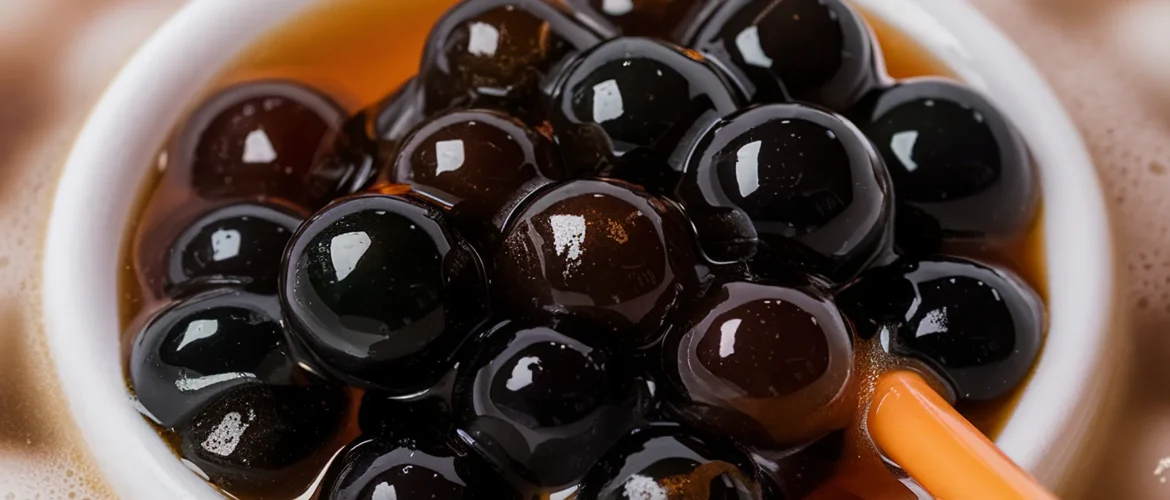
Bubble tea, also known as boba tea, originated in Taiwan in the 1980s. The drink was created by Lin Hsiu Hui, who is credited with inventing the iconic beverage. Initially, bubble tea was a simple mix of black tea, milk, sugar, and tapioca pearls. The name “bubble tea” is said to have originated from the frothy bubbles that form when the tea is shaken.
The drink gained popularity in Taiwan and eventually spread to other parts of Asia. One of the key factors that contributed to the rise of bubble tea was its unique combination of flavors and textures, with the chewy tapioca pearls adding a fun and interesting element to the beverage.
Over time, bubble tea evolved to include a wide variety of flavors, tea bases, and toppings, catering to different tastes and preferences. The drink became a cultural phenomenon, with bubble tea shops popping up in cities around the world.
In the early 2000s, bubble tea started to gain traction in Western countries, becoming a trendy and popular drink among young people. The customizable nature of bubble tea, with options for different sweetness levels, toppings, and tea bases, appealed to a diverse range of consumers.Today, bubble tea is enjoyed by people of all ages and has become a staple in the beverage industry. Its unique blend of flavors, textures, and cultural significance has solidified its place as a beloved drink worldwide.
What are boba pearls, and why have they become one of the most recognisable ingredients in bubble tea? Boba pearls are small beverage toppings added to milk tea, fruit tea, iced drinks, milkshakes, frappes and desserts. The most traditional variety is made using tapioca starch and is known for its soft, chewy texture.
Twisty Boba Ingredients manufactures and supplies bubble tea ingredients for home users, cafés, restaurants, QSR chains, cloud kitchens, hotels, beverage brands and distributors across India. Twisty’s range includes Twisty’s Tapioca Pearls, Twisty’s Popping Boba, beverage powders, premixes and commercial bubble tea supplies.
This complete guide answers what are boba pearls, what they are made from, how they taste, how they are prepared and how they differ from popping boba. It also explains how cafés and beverage businesses can use Twisty’s boba products to create a versatile bubble tea menu.
What Are Boba Pearls? Quick Answer
Boba pearls are small toppings served in bubble tea and other beverages. Traditional boba pearls, commonly called tapioca pearls, are generally made using tapioca starch. After preparation, they develop the soft and chewy texture associated with classic bubble milk tea.
When customers ask what are boba pearls, they may also be referring more broadly to different bubble tea toppings. These can include chewy tapioca pearls, fruit-filled popping boba, mini pearls and other toppings served through a wide bubble tea straw.
Twisty’s Tapioca Pearls are suitable for milk tea, brown sugar drinks, coffee beverages, milkshakes, frappes and desserts. Twisty’s Popping Boba provides a completely different experience because it contains flavoured liquid that bursts when bitten.
What Are Boba Pearls and Where Did They Come From?
Bubble tea is widely associated with Taiwan during the 1980s. However, the identity of its single inventor remains disputed because more than one Taiwanese tea business has claimed to have created the drink. A safer description is that modern bubble tea developed in Taiwan during the 1980s before spreading throughout Asia and later becoming internationally popular.
Readers interested in the drink’s cultural background can explore this history of bubble tea in Taiwan.
The earliest popular versions combined tea, milk, sweetener and chewy tapioca pearls. Over time, bubble tea developed into a broad beverage category with fruit teas, milk teas, iced coffees, powders, syrups, jellies, nata de coco and popping boba.
Today, the question what are boba pearls has more than one answer because the term “boba” is sometimes used for the tapioca topping and sometimes for bubble tea as an entire beverage category.
What Are Boba Pearls Made From?
Traditional boba pearls are primarily associated with tapioca starch. Tapioca starch comes from cassava and creates the characteristic chewy texture of prepared tapioca pearls.
Depending on the formulation, tapioca pearls may also contain ingredients that influence their colour, sweetness, texture and cooking performance. Brown sugar-style pearls generally have a darker appearance and work particularly well with milk tea and caramel-like flavours.
When researching what are boba pearls made from, customers should always check the specific product label. Ingredients can differ between manufacturers, pearl varieties and preparation formats.
Traditional tapioca pearls should not be confused with popping boba. Popping boba uses a thin outer membrane surrounding a flavoured liquid centre. As a result, its preparation, texture and flavour are different from those of chewy tapioca pearls.
How Are Boba Pearls Made?
The general process for producing tapioca pearls involves combining tapioca-based ingredients into a dough, forming the dough into small pearl shapes and processing the pearls so they can later be prepared for beverage service.
Commercial manufacturing requires control over:
- Pearl size
- Texture
- Shape consistency
- Moisture
- Cooking performance
- Packaging
- Storage stability
For cafés and restaurants, the most important step happens during preparation. Tapioca pearls must be cooked and handled according to the instructions supplied with the product. Cooking time, resting time, sweetening and holding conditions can all affect the final texture.
Therefore, the answer to what are boba pearls is not limited to their ingredients. Proper preparation is equally important because incorrectly prepared pearls may become too firm, too soft or sticky.
What Do Boba Pearls Taste Like?
Traditional tapioca pearls generally have a mild flavour. Their most noticeable characteristic is their soft and chewy texture rather than a strong taste of their own.
Boba pearls can absorb some of the flavour of the ingredients used during or after preparation. For example, pearls paired with brown sugar syrup can develop a richer caramel-like sweetness.
Twisty’s Tapioca Pearls can be combined with:
- Brown sugar syrup
- Classic milk tea
- Taro beverages
- Matcha drinks
- Chocolate milkshakes
- Coffee and frappe bases
- Vanilla beverages
- Milk tea premixes
Customers asking what are boba pearls supposed to taste like should expect a mild, slightly sweet topping whose main purpose is to add chewiness and texture to a beverage.
What Is the Texture of Boba Pearls?
Texture is the defining feature of traditional tapioca pearls. Correctly prepared boba pearls should be soft enough to chew comfortably while still maintaining a pleasant resistance.
The ideal texture is often described as chewy, springy or pleasantly elastic. The pearls should not be completely hard, but they should also not dissolve or become excessively soft.
The texture can be affected by:
- Cooking time
- Water quantity
- Resting period
- Sweetening method
- Serving temperature
- Holding time after preparation
This is why cafés serving Twisty’s Tapioca Pearls should use a standard recipe and preparation schedule. Standardisation helps every employee produce a similar texture and reduces variation between servings.
What Are the Different Types of Boba Pearls?
Understanding what are boba pearls also means understanding that not every bubble tea topping is the same.
1. Traditional Tapioca Pearls
Traditional tapioca pearls are chewy and are commonly served in milk tea, brown sugar drinks and classic bubble tea.
Twisty’s Tapioca Pearls are designed for customers and businesses that want the recognisable texture of traditional bubble tea.
2. Brown Sugar Tapioca Pearls
Brown sugar tapioca pearls are generally paired with brown sugar syrup, milk and creamy beverage bases. They are often used in visually attractive brown sugar drinks with syrup applied around the inner wall of the cup.
3. Mini Tapioca Pearls
Mini pearls provide a similar chewy experience in a smaller size. Their preparation requirements may differ, so users should follow the instructions supplied with the product.
4. Popping Boba
Popping boba is not a chewy tapioca pearl. It has a thin outer layer and a flavoured liquid centre that bursts when bitten.
Twisty’s Popping Boba is suitable for fruit tea, lemonade, mocktails, soda, coolers, smoothies, ice cream and desserts.
For a more detailed explanation, read Twisty’s guide on what popping boba is and how it is used.
What Are Boba Pearls Compared With Popping Boba?
The easiest way to understand what are boba pearls compared with popping boba is to compare their texture, flavour and preparation.
| Feature | Twisty’s Tapioca Pearls | Twisty’s Popping Boba |
|---|---|---|
| Texture | Soft and chewy | Juicy and bursts when bitten |
| Main flavour | Mild and suitable for absorbing surrounding flavours | Usually fruit-flavoured or speciality-flavoured |
| Preparation | Usually requires cooking | Ready to serve |
| Best beverages | Milk tea, brown sugar drinks, coffee and frappes | Fruit tea, lemonade, coolers and mocktails |
| Menu style | Traditional bubble tea | Modern and fruit-forward drinks |
| Service speed | Requires advance preparation | Fast portioning and service |
Choose Twisty’s Tapioca Pearls when you want traditional chewiness and milk tea compatibility. Choose Twisty’s Popping Boba when you want fruity flavour, colourful presentation and ready-to-serve convenience.
Many cafés stock both because tapioca pearls and popping boba serve different menu categories.
How Do You Prepare Boba Pearls?
The exact preparation method depends on the specific product. Users should always follow the cooking instructions printed on Twisty’s packaging or supplied with the product.
A general commercial preparation process may involve:
- Bringing the required quantity of water to a boil.
- Adding the measured quantity of tapioca pearls.
- Cooking the pearls for the recommended period.
- Allowing them to rest if instructed.
- Draining or rinsing according to the product directions.
- Combining the pearls with an appropriate sweetener or syrup.
- Serving them within the recommended holding period.
Do not assume that every tapioca pearl has the same cooking time. Pearl size, formulation and manufacturing method can change the required preparation.
For businesses researching what are boba pearls and how are they cooked, standard operating procedures are important. Staff should use the same measurements, timer and serving portions during every preparation cycle.
How Are Boba Pearls Used in Bubble Tea?
Prepared boba pearls are normally placed in the cup before the beverage is poured. A wide bubble tea straw allows customers to drink the pearls along with the tea.
Twisty’s Tapioca Pearls can be used in:
- Classic bubble milk tea
- Brown sugar bubble tea
- Taro milk tea
- Matcha milk tea
- Thai tea
- Chocolate milk tea
- Coffee boba
- Milkshakes
- Frappes
- Ice cream and dessert bowls
Businesses can combine prepared pearls with products from Twisty’s Powder Mix range to develop milkshakes, frappes, creamy drinks and speciality bubble tea beverages.
When customers ask what are boba pearls used for, the answer extends beyond traditional milk tea. They can also add texture to coffee drinks, blended beverages and selected desserts.
Are Boba Pearls the Same as Bubble Tea?
No. Boba pearls are a topping, while bubble tea is the complete beverage.
A bubble tea drink may contain:
- Tea or another beverage base
- Milk or creamer
- Sweetener
- Fruit syrup or powder
- Ice
- Tapioca pearls, popping boba or another topping
The term “boba” is sometimes used informally for the entire drink. This can create confusion when people search what are boba pearls.
Technically, the pearls are one component of the beverage. A drink can still be called bubble tea even when it contains popping boba, jelly, nata de coco or another topping instead of traditional tapioca pearls.
Are Boba Pearls and Tapioca Pearls the Same?
In most traditional bubble tea discussions, “boba pearls” and “tapioca pearls” refer to the same chewy topping.
However, the word “boba” is now used more broadly by some customers and businesses. It may refer to traditional tapioca pearls, popping boba or the bubble tea drink itself.
For clarity, Twisty uses specific product descriptions such as:
- Twisty’s Tapioca Pearls
- Twisty’s Popping Boba
- Twisty’s Powder Premixes
- Twisty’s Bubble Tea Kits
Using clear product names helps customers understand the texture and preparation required before purchasing.
Are Boba Pearls Suitable for Fruit Tea?
Traditional tapioca pearls can be added to fruit tea, but popping boba is often the more natural pairing for light and refreshing fruit-based drinks.
Twisty’s Popping Boba can complement:
- Mango fruit tea
- Strawberry iced tea
- Passion fruit green tea
- Lychee iced tea
- Peach tea
- Blueberry coolers
- Green apple beverages
- Lemonades and mocktails
Traditional Twisty’s Tapioca Pearls are generally better suited to creamy drinks where their chewiness contrasts with the smooth beverage base.
Are Boba Pearls Suitable for Milk Tea?
Yes. Traditional tapioca pearls are one of the most recognisable toppings for milk tea.
The combination works because the pearls add chewiness to a smooth, creamy drink. They also pair well with brown sugar syrup, tea concentrates, milk powders and beverage premixes.
Recommended combinations include:
- Black milk tea with Twisty’s Tapioca Pearls
- Brown sugar milk with Twisty’s Tapioca Pearls
- Taro milk tea with Twisty’s Tapioca Pearls
- Matcha milk tea with Twisty’s Tapioca Pearls
- Chocolate milkshake with Twisty’s Tapioca Pearls
- Coffee frappe with Twisty’s Tapioca Pearls
For customers wondering what are boba pearls best served with, milk tea remains one of the strongest and most traditional choices.
What Are Boba Pearls for Cafés and QSR Brands?
For cafés and QSR brands, boba pearls are more than a topping. They are a menu-building ingredient that can help create premium beverages and additional customisation options.
Twisty’s Tapioca Pearls can help commercial businesses create:
- Classic bubble tea menus
- Brown sugar signature drinks
- Premium topping upgrades
- Milkshake and frappe options
- Seasonal beverages
- Combo meals with speciality drinks
Businesses should evaluate daily demand, preparation capacity, employee training and holding time before introducing tapioca pearls.
Twisty’s Popping Boba can be useful for outlets that want fast service because it is ready to portion and does not require the same cooking process as tapioca pearls.
A practical café menu can use both:
- Twisty’s Tapioca Pearls for milk tea and brown sugar drinks
- Twisty’s Popping Boba for fruit tea, mocktails and coolers
- Twisty’s Powder Mixes for frappes, shakes and creamy beverages
Food businesses in India should also follow applicable requirements and guidance published by the Food Safety and Standards Authority of India.
How Should Cafés Store and Serve Boba Pearls?
Unopened products should be stored according to the instructions printed on their packaging. Businesses should monitor batch details, opening dates and stock rotation.
Commercial outlets should establish procedures for:
- Receiving and checking stock
- Recording opening dates
- Following storage instructions
- Preparing controlled batch sizes
- Monitoring serving periods
- Preventing cross-contamination
- Cleaning preparation equipment
- Training employees
Prepared tapioca pearls should not be stored or served indefinitely. Follow the recommended preparation and holding instructions to maintain their intended texture and quality.
How Can a Beginner Make Bubble Tea With Boba Pearls?
A beginner bubble tea recipe can be built using five basic components:
- Prepared tea or a beverage premix
- Milk, creamer or chilled water
- Sweetener or syrup
- Ice
- Prepared Twisty’s Tapioca Pearls
Prepare the pearls according to the product instructions. Add the pearls to a cup, pour in the prepared beverage and serve with a wide bubble tea straw.
For fruit-based drinks, beginners may find Twisty’s Popping Boba easier because it can be portioned directly into a beverage without cooking.
Customers can also explore Twisty’s bubble tea ingredients and boba products to create milk tea, fruit tea, mocktails, coolers, milkshakes and café-style drinks.
What Are Boba Pearls for Home Users?
Home users can use boba pearls to recreate café-style bubble tea without visiting a speciality beverage outlet.
Twisty’s Tapioca Pearls are suitable for people who enjoy:
- Traditional bubble milk tea
- Brown sugar drinks
- Chewy beverage toppings
- Homemade frappes
- Milkshakes and desserts
Twisty’s Popping Boba is suitable for people who prefer:
- Ready-to-serve toppings
- Fruit flavours
- Colourful beverages
- Mocktails and lemonades
- Ice cream and dessert toppings
The best choice depends on whether the user wants traditional chewiness or a fruity bursting texture.
Why Choose Twisty Boba Ingredients?
Twisty Boba Ingredients supplies bubble tea ingredients for home users, cafés, restaurants, QSR chains, cloud kitchens, hotels, food courts, dessert businesses and distributors.
Twisty’s product range includes:
- Twisty’s Tapioca Pearls
- Twisty’s Popping Boba
- Twisty’s Powder Premixes
- Bubble tea kits
- Fruit and milk-tea ingredients
- Bubble tea cups and wide straws
- Commercial beverage supplies
Businesses can use Twisty’s product categories to create traditional milk tea, fruit tea, frappes, shakes, coolers, mocktails and speciality beverages.
Twisty’s Tapioca Pearls provide the classic chewy experience, while Twisty’s Popping Boba provides ready-to-serve convenience and flavour variety.
Where Can You Buy Boba Pearls in India?
Customers can purchase Twisty’s Tapioca Pearls online for traditional bubble tea, milk tea, brown sugar drinks and creamy beverages.
Customers looking for fruity ready-to-serve toppings can explore Twisty’s Popping Boba flavours.
Cafés, restaurants, QSR brands and distributors with larger requirements can submit a Twisty bulk-order enquiry.
For questions regarding flavours, pack sizes, availability or commercial requirements, businesses can contact Twisty Boba Ingredients.
What Are Boba Pearls? Final Answer
What are boba pearls? They are beverage toppings best known for adding texture to bubble tea. Traditional tapioca pearls are soft and chewy, while popping boba provides a juicy liquid-filled burst.
Twisty’s Tapioca Pearls are suitable for milk tea, brown sugar drinks, coffee, milkshakes, frappes and desserts. Twisty’s Popping Boba is suitable for fruit tea, lemonade, mocktails, coolers, soda, ice cream and dessert cups.
The right product depends on the experience you want to create:
- Choose Twisty’s Tapioca Pearls for traditional chewiness.
- Choose Twisty’s Popping Boba for fruity flavour and convenience.
- Stock both products to create a complete beverage menu.
Twisty Boba Ingredients helps home users and commercial businesses source bubble tea products for modern fruit beverages and traditional milk tea.
Frequently Asked Questions About Boba Pearls
What are boba pearls?
Boba pearls are toppings added to bubble tea, milk tea and other beverages. Traditional boba pearls are tapioca-based and provide a soft, chewy texture.
What are boba pearls made from?
Traditional boba pearls are primarily associated with tapioca starch. Specific ingredients can vary, so customers should read the product label.
Are boba pearls and tapioca pearls the same?
In most traditional bubble tea discussions, boba pearls and tapioca pearls refer to the same chewy topping.
Are popping boba and boba pearls the same?
No. Popping boba contains flavoured liquid and bursts when bitten, while traditional tapioca pearls are soft and chewy.
Do Twisty’s Tapioca Pearls require cooking?
Traditional tapioca pearls generally require preparation. Follow the instructions supplied with Twisty’s product for the correct cooking method and serving procedure.
Does Twisty’s Popping Boba require cooking?
No. Twisty’s Popping Boba is ready to serve and can be added directly to prepared beverages and desserts.
What drinks can be made with boba pearls?
Boba pearls can be used in classic milk tea, brown sugar milk tea, taro drinks, matcha beverages, coffee, milkshakes and frappes.
Can boba pearls be used in desserts?
Yes. Prepared boba pearls can be used in selected ice creams, dessert bowls, milkshakes and creamy dessert drinks.
Which is better: tapioca pearls or popping boba?
Tapioca pearls are better for traditional milk tea and chewy texture. Popping boba is better for fruit beverages, fast preparation and fruity flavour.
Where can cafés buy boba pearls in bulk?
Cafés, restaurants, QSR brands and distributors can submit a bulk-order enquiry through Twisty Boba Ingredients for commercial requirements.
Can cafés stock both tapioca pearls and popping boba?
Yes. Stocking both allows cafés to serve traditional milk tea as well as fruit tea, mocktails, coolers, frappes and desserts.
What are boba pearls best paired with?
Traditional tapioca pearls pair particularly well with milk tea, brown sugar syrup, coffee, chocolate, taro, matcha and creamy beverage bases.