No products in the cart.
How did bubble tea start?
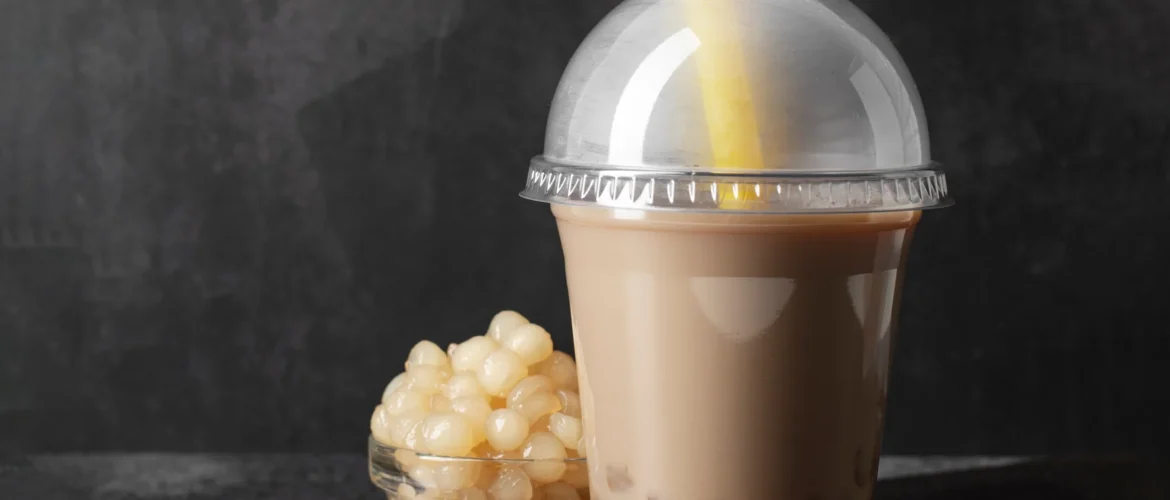
Bubble tea, also known as boba tea, originated in Taiwan in the 1980s. The drink was created by Lin Hsiu Hui, who is credited with inventing the iconic beverage. Initially, bubble tea was a simple mix of black tea, milk, sugar, and tapioca pearls. The name “bubble tea” is said to have originated from the frothy bubbles that form when the tea is shaken.
The drink gained popularity in Taiwan and eventually spread to other parts of Asia. One of the key factors that contributed to the rise of bubble tea was its unique combination of flavors and textures, with the chewy tapioca pearls adding a fun and interesting element to the beverage.
Over time, bubble tea evolved to include a wide variety of flavors, tea bases, and toppings, catering to different tastes and preferences. The drink became a cultural phenomenon, with bubble tea shops popping up in cities around the world.
How did bubble tea start, and how did a Taiwanese tea drink become an international beverage phenomenon? Modern bubble tea developed in Taiwan during the 1980s by combining chilled tea with ingredients such as milk, sweetener and chewy tapioca pearls.
The exact identity of bubble tea’s inventor remains disputed. Chun Shui Tang in Taichung and Hanlin Tea Room in Tainan have both presented origin stories connected with the creation of pearl tea. Instead of crediting one person as the undisputed inventor, it is more accurate to recognise bubble tea as a Taiwanese innovation that developed through experimentation with iced tea and tapioca pearls.
This complete guide explains how did bubble tea start, who claims to have invented it, what the original drink contained and how bubble tea spread from Taiwan to cafés around the world. It also explains how Twisty’s Tapioca Pearls, Twisty’s Popping Boba and Twisty’s Powder Mixes can be used to create traditional and modern bubble tea beverages in India.
How Did Bubble Tea Start? Quick Answer
How did bubble tea start? Bubble tea began in Taiwan during the 1980s when tea businesses started experimenting with chilled, shaken tea and chewy tapioca pearls. Two Taiwanese tea houses—Chun Shui Tang in Taichung and Hanlin Tea Room in Tainan—both claim an important role in creating the drink.
Early bubble tea was much simpler than many versions served today. A typical drink combined tea, milk or creamer, sweetener, ice and tapioca pearls. Shaking the tea produced a layer of foam, while the pearls provided the soft and chewy texture that later became closely associated with bubble tea.
Today, bubble tea can contain fruit tea, milk tea, coffee, syrups, powders, jellies, nata de coco, Twisty’s Tapioca Pearls or Twisty’s Popping Boba.
Where and When Did Bubble Tea Start?
When answering how did bubble tea start, Taiwan is the most important place to begin. Modern bubble tea is widely associated with Taiwanese tea culture during the 1980s.
Taiwan already had a strong tea-drinking tradition, but tea businesses began presenting tea in newer formats. Chilled tea, milk tea and vigorously shaken tea became more popular, particularly among younger customers looking for refreshing alternatives to traditional hot tea.
The addition of tapioca pearls transformed an ordinary tea drink into something more interactive. Customers could drink the tea and chew the pearls through a wide straw, creating the combination of flavour and texture that still defines traditional bubble tea.
For a broader historical account, readers can explore National Geographic’s history of bubble tea in Taiwan.
Who Invented Bubble Tea?
The question of who invented bubble tea does not have one universally accepted answer. Two well-known Taiwanese tea businesses have claimed that they were responsible for creating early versions of the drink.
The two principal origin stories are associated with:
- Chun Shui Tang in Taichung
- Hanlin Tea Room in Tainan
Both stories are important when explaining how did bubble tea start. Because the claims overlap and neither produced a universally accepted legal ownership of the drink, describing bubble tea as a Taiwanese invention is more accurate than presenting one individual as its confirmed creator.
The Chun Shui Tang Bubble Tea Origin Story
One origin story comes from Chun Shui Tang, a Taiwanese tea business associated with popularising cold and shaken tea.
According to the company’s account, product development manager Lin Hsiu Hui added tapioca pearls to an iced tea during a staff meeting. The combination was well received and was later introduced to customers.
This story is often repeated when people ask how did bubble tea start. However, it represents one of two major claims rather than a conclusively proven origin.
Chun Shui Tang’s contribution is closely connected with transforming traditional tea into a cold, shaken and more youthful beverage. Adding tapioca pearls provided the final chewy element that made the drink distinctive.
The Hanlin Tea Room Bubble Tea Origin Story
A competing account comes from Hanlin Tea Room in Tainan.
Hanlin’s founder, Tu Tsong-he, reportedly saw white tapioca balls at a traditional market and experimented with adding them to tea. This early version was known as pearl tea and used lighter-coloured pearls before darker tapioca pearls became more common.
The Hanlin account is another essential part of the answer to how did bubble tea start. Both Hanlin and Chun Shui Tang played important roles in establishing the idea of adding chewy pearls to tea.
Rather than weakening bubble tea’s history, the two origin stories demonstrate how Taiwanese tea businesses were simultaneously experimenting with presentation, temperature, texture and new ways of serving tea.
Why Is It Called Bubble Tea?
Many people assume that the word “bubble” refers only to the tapioca pearls at the bottom of the cup. However, one common explanation is that the name originally referred to the layer of foam created when tea, ice, milk and sweetener were vigorously shaken together.
The terms used for the drink can vary between countries and regions. Common names include:
- Bubble tea
- Boba tea
- Pearl milk tea
- Bubble milk tea
- Tapioca milk tea
- Pearl tea
In some places, “boba” refers specifically to the chewy tapioca pearls. In other places, customers use the word boba for the entire drink.
Therefore, understanding how did bubble tea start also requires understanding that the drink’s terminology changed as it travelled between languages, cultures and markets.
What Was the Original Bubble Tea Made With?
Early bubble tea was relatively simple compared with today’s large menus.
The basic ingredients commonly associated with traditional bubble tea included:
- Black tea or another brewed tea base
- Milk or creamer
- Sugar or syrup
- Ice
- Chewy tapioca pearls
The ingredients were shaken to chill and combine the beverage. Prepared tapioca pearls were placed in the cup and consumed through a wide straw.
When people investigate how did bubble tea start, tapioca pearls are central to the story because they transformed tea from a conventional drink into a beverage with an additional chewable texture.
Businesses and home users can recreate this traditional experience using Twisty’s Tapioca Pearls for bubble tea.
How Did Tapioca Pearls Become Part of Bubble Tea?
Tapioca-based foods existed before modern bubble tea. What changed during the 1980s was the decision to combine chewy tapioca pearls with cold tea and serve both together as one beverage.
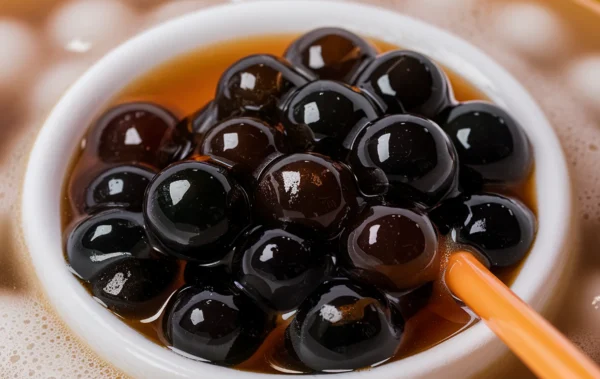
Tapioca pearls are generally associated with tapioca starch, which comes from cassava. When correctly prepared, the pearls develop a soft and chewy texture.
Traditional tapioca pearls do not normally have an intense flavour of their own. Their primary purpose is to add texture, although they can be sweetened or paired with ingredients such as brown sugar syrup.
Twisty’s Tapioca Pearls can be used in:
- Classic bubble milk tea
- Brown sugar bubble tea
- Taro milk tea
- Matcha milk tea
- Chocolate beverages
- Coffee-based boba drinks
- Milkshakes
- Frappes
- Ice cream and desserts
The combination of tea and chewy pearls became so distinctive that tapioca pearls remain one of the most recognisable elements in the story of how did bubble tea start.
How Did Bubble Tea Spread Across Asia?
After becoming popular in Taiwan, bubble tea spread to other parts of East and Southeast Asia. Its customisable format made it easy for businesses to adapt the drink to local tastes.
Tea shops introduced:
- Different tea bases
- Fresh milk and creamers
- Fruit flavours
- Alternative sweetness levels
- Different pearl sizes
- Jellies and other toppings
- Seasonal and regional recipes
The drink appealed to customers because it offered more choice than a standard packaged beverage. Customers could select the flavour, sweetness, ice level and topping.
This flexibility helped bubble tea move beyond its Taiwanese origins while still retaining the central combination of a beverage base and an enjoyable topping.
How Did Bubble Tea Become Popular Worldwide?
The next stage in the answer to how did bubble tea start is understanding how it developed into an international category.
Bubble tea expanded through Asian communities, specialist cafés, university areas, shopping centres and food courts. As international customers became familiar with the drink, dedicated bubble tea chains and independent cafés opened in more cities.
Several characteristics supported its international popularity:
- It was highly customisable.
- It combined a drink with a snack-like texture.
- It could be prepared in many colours and flavours.
- It worked with milk, tea, fruit, coffee and desserts.
- It was visually attractive for photographs and social media.
- It could be offered as an affordable premium beverage.
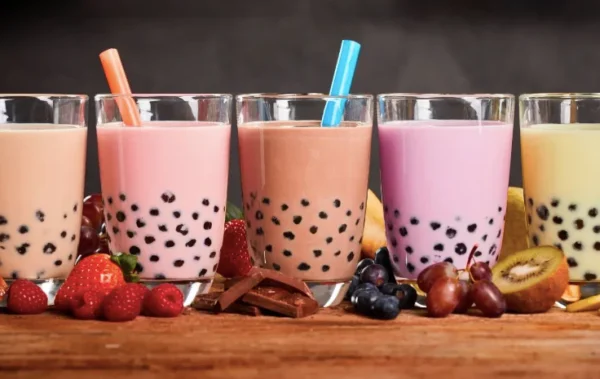
Bubble tea also evolved beyond the original milk-tea format. Fruit tea, popping boba, nata de coco, jelly, smoothies, coffee drinks and dessert-inspired beverages helped the category reach customers with different preferences.
How Did Bubble Tea Evolve Beyond Tapioca Pearls?
Traditional tapioca pearls remain important, but modern bubble tea menus now offer many other toppings.
Popular modern toppings include:
- Popping boba
- Nata de coco
- Fruit jelly
- Grass jelly
- Mini tapioca pearls
- Pudding
- Aloe vera
- Cheese foam
Popping boba provides a completely different experience from traditional tapioca pearls. It has a thin outer layer surrounding a flavoured liquid centre that bursts when bitten.
Twisty’s Popping Boba can be used in fruit tea, lemonade, mocktails, soda, coolers, milkshakes, ice cream and desserts.
This evolution explains why the answer to how did bubble tea start is very different from what bubble tea has become today. The category began with simple tea and tapioca pearls but expanded into hundreds of flavour and topping combinations.
Traditional Tapioca Pearls vs Modern Popping Boba
| Feature | Twisty’s Tapioca Pearls | Twisty’s Popping Boba |
|---|---|---|
| Texture | Soft and chewy | Juicy and bursts when bitten |
| Flavour | Mild and suitable for absorbing surrounding flavours | Usually fruit-flavoured or speciality-flavoured |
| Preparation | Requires cooking and preparation | Ready to serve |
| Best use | Milk tea, brown sugar drinks and creamy beverages | Fruit tea, lemonade, mocktails and coolers |
| Menu style | Traditional bubble tea | Modern and fruit-forward beverages |
| Service speed | Requires advance preparation | Fast portioning and service |
Choose Twisty’s Tapioca Pearls when you want to recreate the traditional drink connected with the history of bubble tea.
Choose Twisty’s Popping Boba when you want ready-to-serve convenience, fruit flavour and a modern beverage experience.
Bubble Tea History Timeline
| Period | Important Development |
|---|---|
| Before the 1980s | Taiwan already had established tea traditions and tapioca-based foods. |
| 1980s | Tea businesses in Taiwan experimented with chilled and shaken tea. |
| Mid-to-late 1980s | Chun Shui Tang and Hanlin Tea Room presented competing origin stories involving tea and tapioca pearls. |
| 1990s | Bubble tea spread more widely across East and Southeast Asia. |
| 2000s | Specialist bubble tea cafés expanded in Western and international markets. |
| 2010s | Fruit tea, popping boba, premium milk tea and social-media-friendly drinks increased the category’s popularity. |
| Today | Bubble tea is available in cafés, QSR chains, restaurants, cloud kitchens and home kits around the world. |
This timeline provides a simple answer to how did bubble tea start and shows how the category developed from Taiwanese tea experimentation into a worldwide beverage format.
How Did Bubble Tea Start Becoming Popular in India?
Bubble tea entered India as customers became increasingly familiar with international café beverages, Korean and East Asian food trends, fruit teas and customisable drinks.
Indian cafés, QSR brands, dessert outlets and cloud kitchens can now introduce bubble tea without depending on a single traditional recipe.
A commercial menu can include:
- Classic milk tea with Twisty’s Tapioca Pearls
- Brown sugar bubble tea
- Mango fruit tea with Twisty’s Popping Boba
- Strawberry boba lemonade
- Lychee popping boba mocktails
- Taro milk tea
- Chocolate boba milkshakes
- Coffee boba frappes
Businesses can use Twisty’s Powder Mixes to prepare milkshakes, frappes, milk teas and speciality beverages with standardised recipes.
How Twisty Boba Helps Recreate Traditional and Modern Bubble Tea
Twisty Boba Ingredients supplies products for customers who want both the traditional experience connected with how did bubble tea start and the modern fruit-based experience associated with today’s bubble tea menus.
Twisty’s product categories include:
- Twisty’s Tapioca Pearls
- Twisty’s Popping Boba
- Twisty’s Powder Mixes
- Twisty’s Bubble Tea Kits
- Milkshake and frappe premixes
- Fruit and milk-tea ingredients
- Bubble tea cups and wide straws
Home users can use Twisty’s Bubble Tea Kits to prepare café-style drinks, while cafés, restaurants and QSR chains can select commercial ingredients for larger beverage menus.
Which Bubble Tea Ingredients Should a New Café Stock?
A new café does not need an excessively large ingredient inventory. It can begin with:
- One black or jasmine tea base
- Milk or a suitable creamer
- Twisty’s Tapioca Pearls
- Two or three Twisty’s Popping Boba flavours
- Twisty’s Powder Mixes
- Two or three fruit syrups
- Sweetener or brown sugar syrup
- Ice and filtered water
- Clear bubble tea cups
- Wide bubble tea straws
Using these core ingredients, a café can offer traditional milk tea as well as fruit tea, lemonades, coolers, mocktails, milkshakes and frappes.
Businesses requiring larger quantities can submit a Twisty bulk-order enquiry for information about available products, pack sizes and commercial requirements.
Why Has Bubble Tea Remained Popular?
The history of bubble tea explains its origin, but its flexibility explains its continued popularity.
Bubble tea allows customers to choose:
- Tea or another beverage base
- Milk or fruit flavours
- Sweetness level
- Ice level
- Tapioca pearls or popping boba
- One or multiple toppings
- Traditional or experimental flavours
The combination of personalisation, taste, texture and visual presentation gives customers a drink that feels more interactive than an ordinary tea or soft drink.
Bubble tea can also be adapted to café menus, restaurant menus, QSR operations, takeaway counters, food delivery, parties and home preparation.
How Did Bubble Tea Start? Final Answer
How did bubble tea start? Modern bubble tea began in Taiwan during the 1980s through experiments involving cold, shaken tea and chewy tapioca pearls.
Chun Shui Tang in Taichung and Hanlin Tea Room in Tainan both claim an important role in its creation. Because there is no universally accepted single inventor, the safest historical conclusion is that bubble tea was a Taiwanese beverage innovation developed through the creativity of tea businesses during that period.
The earliest popular versions were based on tea, milk or creamer, sweetener, ice and tapioca pearls. Over time, bubble tea expanded to include fruit teas, coffee, powders, syrups, jellies, nata de coco and popping boba.
Customers who want the traditional bubble tea experience can choose Twisty’s Tapioca Pearls. Customers who want a fruity and ready-to-serve topping can choose Twisty’s Popping Boba.
To explore ingredients for home preparation or commercial beverage menus, visit Twisty Boba Ingredients or contact Twisty for product and wholesale enquiries.
Frequently Asked Questions About Bubble Tea History
How did bubble tea start?
Bubble tea started in Taiwan during the 1980s when tea businesses combined chilled or shaken tea with chewy tapioca pearls.
Who invented bubble tea?
There is no universally accepted single inventor. Chun Shui Tang in Taichung and Hanlin Tea Room in Tainan both claim an important role in creating early bubble tea.
Did Lin Hsiu Hui invent bubble tea?
Lin Hsiu Hui is associated with Chun Shui Tang’s origin story, in which she reportedly added tapioca pearls to iced tea. However, Hanlin Tea Room has a competing claim, so she should not be presented as the undisputed inventor.
Which country invented bubble tea?
Bubble tea originated in Taiwan and developed into its modern form during the 1980s.
Why is it called bubble tea?
One common explanation is that “bubble” originally referred to the layer of foam formed when tea was vigorously shaken. The term later also became closely associated with the pearls and toppings.
What was the original bubble tea made from?
Early popular versions generally included tea, milk or creamer, sweetener, ice and chewy tapioca pearls.
Are boba pearls and tapioca pearls the same?
In traditional bubble tea, boba pearls and tapioca pearls usually refer to the same chewy topping. However, the word “boba” is sometimes used more broadly for the complete drink.
Is popping boba traditional bubble tea?
Popping boba is a modern bubble tea topping rather than the original chewy tapioca topping. It contains flavoured liquid and bursts when bitten.
Which is better: tapioca pearls or popping boba?
Twisty’s Tapioca Pearls are better for traditional milk tea and chewy texture. Twisty’s Popping Boba is better for fruit tea, mocktails, colourful drinks and fast preparation.
Where can I buy bubble tea ingredients in India?
Home users, cafés, restaurants, QSR chains and distributors can purchase Twisty’s Tapioca Pearls, Twisty’s Popping Boba, Powder Mixes and Bubble Tea Kits through Twisty Boba Ingredients.
Can cafés buy Twisty Boba ingredients in bulk?
Yes. Cafés, restaurants, hotels, QSR brands and distributors can contact Twisty Boba Ingredients regarding wholesale products, available pack sizes and bulk-order requirements.